Simple ways to save fuel as petrol prices hit record highs
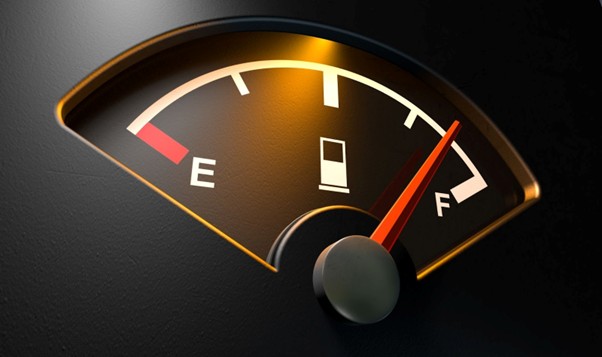
The Iran conflict has sent the international oil price above $100 a barrel, with South Africa's April 2026 fuel price increase set to be the largest single-month hike on record. Every litre counts right now.
These simple fuel-saving tips can meaningfully cut what you spend at the pump:
| What to do | Why it helps |
|---|---|
| Maintain correct tyre pressure | Reduces rolling resistance |
| Service your car on schedule | Keeps engine work efficient |
| Use cruise control on highways | Maintains steady speed, saves fuel |
| Remove roof racks when not in use | Cuts wind resistance |
| Avoid sudden acceleration | Reduces fuel consumption sharply |
| Combine trips | Fewer cold starts, less fuel |
| Drive at 100 km/h not 120 km/h | Cuts air resistance significantly |
Why fuel costs are surging right now
Since US and Israeli strikes on Iran began in late February 2026, the international oil price has surged more than 40%, with Iran halting shipping through the Strait of Hormuz and putting roughly a fifth of global oil supply at risk. Independent economist Elize Kruger warned that the April fuel price increases "will be the highest ever to be implemented in a single month in South Africa."
And just before Easter weekend nogal.
This will affect every household with a car in South Africa (and most of the world). Here are some things you can do about it:
1. Your driving habits matter more than you think
How you drive has a bigger effect on fuel consumption than most people realise. Aggressive driving (heavy braking, sudden acceleration, surging through gaps in traffic) forces your engine to work harder and burns significantly more fuel. Some intentional changes could make a measurable difference.
Accelerate smoothly: hard acceleration burns more
Every time you floor the accelerator pedal, your engine demands a surge of fuel to respond. Accelerating gently and progressively is one of the most effective fuel-efficient driving techniques available, and it costs nothing. The less you ask of the engine in short bursts, the less fuel it uses over a full trip.
Keep a steady speed on the open road
Most cars reach their most efficient fuel economy between 80 and 100 km/h. Above that, aerodynamic drag increases sharply and fuel usage climbs. Sitting at 120 km/h versus 100 km/h can increase fuel consumption by 20% or more, depending on the car.
Cruise control reduces fuel consumption on long trips
Using cruise control on highways helps maintain a steady speed without the small fluctuations that come from manual throttle input. Those fluctuations add up over distance. If your car has it, use it. It is a simple way to improve fuel economy on longer drives.
Avoid peak traffic where possible
Stop-start city driving is one of the biggest drivers of higher fuel consumption, and because we live in Mzansi, broken or “eish, Eskom” robots, taxis, potholes, delivery bikes and jaywalking all play a factor.
Engines burn more fuel idling and accelerating from standstill than they do cruising. Where you can, adjust your departure times to avoid peak traffic. Combine trips rather than making multiple short trips. A warm engine is more fuel efficient than a cold one restarting repeatedly.
Use higher gears earlier in manual cars
In manual cars, moving up to a higher gear sooner (without labouring the engine) reduces the revs needed to maintain speed and lowers fuel use. Keeping revs low, and the car groaning to a minimum is an easy and efficient driving habit to build.
Use air conditioning sensibly
Air conditioning increases fuel consumption, particularly at lower speeds where the load on the engine is more pronounced. At higher speeds on the highway, closing windows and using air conditioning is often more efficient than open windows, which create drag.
In and around town, open the windows when you can and save the air conditioning for when you really need it.
2. Check tyre pressure every month
Under-inflated tyres increase rolling resistance, meaning the engine has to work harder to move the car at any given speed. Maintaining the correct tyre pressure (found on the sticker inside your door frame or in your manual) is one of the simplest fuel saving tips going. It also extends tyre life and improves safety.
When last did you check your tyres? Read our article on how to assess your tyres for safety now
Compare Tyre and Rim Cover quotes while you are at it
3. Keep your car serviced: a neglected engine uses more fuel
A well-tuned engine runs efficiently. Worn spark plugs, dirty air filters, and degraded oil all force the engine to work harder than it should, and that translates directly into higher fuel costs. Getting your car serviced on schedule is not just good for reliability. It is one of the more overlooked ways to reduce fuel use over time.
4. Remove roof racks and unnecessary weight
Yes, fellow bakkie and 4x4 owners, we're talking about you. Although they look cool, roof racks create wind resistance even when empty. If yours is not in use, take it off. The same logic applies to unnecessary weight in the boot.
Heavier cars use more fuel to accelerate, and that extra fuel adds up across multiple trips. Lighter cars are more fuel efficient, full stop.
5. Plan your route: efficient routes save petrol
Taking the shortest route is not always the most fuel efficient. A route that avoids heavy traffic congestion and unnecessary stopping will generally use less fuel than a shorter route choked with robots. Use a navigation app that accounts for live traffic conditions, and factor in combining trips where you can run multiple errands in one go.
If you can, consider a fuel efficient vehicle when you next upgrade
War or no war. If you are in the market for a new car, fuel efficiency is worth putting near the top of your checklist. More modern cars (including hybrid cars and smaller, lighter cars) have made significant strides in fuel efficiency with things like using more lightweight materials, stop-start functionality, cruise control, and eco-driving "modes". At the rate we're going, the fuel savings over three to five years of ownership can comfortably help you save money to offset a higher purchase price.
Read our blog on the most fuel-efficient cars in South Africa.
Protecting your car while you reduce fuel consumption
Good driving habits reduce fuel costs, extend the life of your vehicle, and reduce wear on brakes and tyres. But they do not replace the need for solid Car Insurance. If rising fuel prices have you relooking your monthly expenses, it is worth comparing Car Insurance quotes at the same time. You might find you are overpaying there too.
Compare Car Insurance quotes on Hippo.co.za
This article is for general information purposes only and does not constitute financial advice. Always read your policy schedule and speak to a qualified adviser if you're unsure. Hippo.co.za is an authorised financial services provider (FSP 36 368).
Hippo Blog Categories