South Africa’s Top 5 Car Brands in February 2026: petrol creeps up, rates hold steady, and everyone’s watching the SARB
March is shaping up to be a bit of a waiting game for South African motorists.
Interest rates are holding steady for now. The prime lending rate remains at 10.25%, following the rate-cutting cycle that started in late 2024 and brought borrowing costs down from the 11.75% peak (cue sighs of relief).
That means car repayments are still benefiting from those earlier cuts. No new relief this month, but no new pain either, which, in the world of interest rates, counts as a small win.
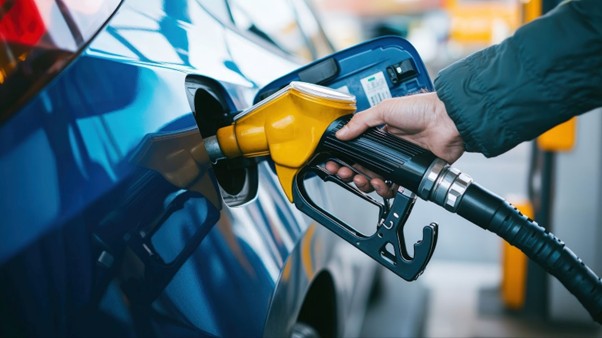
Petrol, however, has nudged upward again. With global oil prices climbing and Brent crude pushing past $98, filling up your tank is starting to become less fun than it was earlier in the year.
Now all eyes turn to 26 March, when SARB Governor Lesetja Kganyago announces the next interest rate decision. Earlier in the year, economists were expecting another rate cut. But with oil prices rising and the rand under pressure, the mood has shifted toward a possible “wait and see” approach.
In other words: the fuel pump is already getting a little more expensive, and the cost of borrowing might soon decide whether to stay calm… or get interesting.
Against that backdrop, South Africa’s top-selling car brands remain reassuringly familiar. Here’s how the current top five stack up, and what owning them looks like for your budget.
1. Toyota
Top quoted model: Corolla Cross – The dependable all-rounder
Toyota continues to sit comfortably at the top of the table, and the Corolla Cross remains one of the easiest cars to justify on paper. Practical, reliable, and sensible without being boring.
With the interest rate holding steady, repayments haven’t shifted much this month. The slightly higher petrol price adds a small sting at the pump, but overall the Corolla Cross still lands squarely in the “responsible adult decision” category.
Key costs:
- Average Hippo insurance premium: R1,295
- Cost to fill the tank: R1,010
- Monthly repayment: R8,959
- Purchase price: R414,800
Still the car you buy when you want fewer surprises in life.
2. Suzuki
Top quoted model: Swift – The budget champion
Suzuki keeps its second-place spot, and the Swift continues to do what it does best: deliver maximum affordability.
Even with petrol prices ticking up slightly, the Swift remains one of the cheapest cars in the top five to run. Insurance stays reasonable, repayments stay light, and the smaller tank helps keep fuel stops from feeling like a financial event.
Key costs:
- Average Hippo insurance premium: R1,259
- Cost to fill the tank: R747
- Monthly repayment: R4,965
- Purchase price: R227,900
Small car, small bills - still a winning formula.
3. Volkswagen
Top quoted model: Polo Vivo – The comfort pick
The Polo Vivo holds steady in third place, continuing its long-standing role as South Africa’s comfort choice.
It’s familiar, dependable, and widely loved - the automotive equivalent of ordering your usual at the coffee shop. You know what you’re getting, and it rarely disappoints.
With rates holding steady, repayments remain predictable, while the slightly higher petrol price adds a modest bump to running costs.
Key costs:
- Average Hippo insurance premium: R1,256
- Cost to fill the tank: R909
- Monthly repayment: R5,905
- Purchase price: R271,900
Comfortably familiar and still firmly in the national garage.
4. Hyundai
Top quoted model: i20 - Still doing everything right
Hyundai’s i20 stays in fourth place, continuing to offer a strong balance between price, efficiency, and everyday usability.
It sits neatly between budget-friendly hatchbacks and more premium-feeling options, which explains its steady popularity.
The modest petrol price increase affects this segment a bit, but the i20’s fuel efficiency helps keep overall running costs sensible.
Key costs:
- Average Hippo insurance premium: R1,265
- Cost to fill the tank: R747
- Monthly repayment: R6,717
- Purchase price: R309,900
A practical choice that makes a lot of sense.
5. Ford
Top quoted model: Ranger – The heavyweight contender
Ford’s Ranger remains the bakkie many South Africans still dream about: big, capable, and ready for anything.
But bigger vehicles also feel fuel price increases more sharply. With petrol climbing again, the Ranger’s larger tank means you’ll feel every refill.
Add higher insurance premiums and bigger repayments, and this is very much the “go big or go home” option in the top five.
Key costs:
- Average Hippo insurance premium: R1,613
- Cost to fill the tank: R1,482
- Monthly repayment: R12,383
- Purchase price: R575,000
Big power, big presence… and a budget to match.
Quick February takeaways:
- Prime lending rate steady at 10.25% for now
- Next SARB decision: 26 March - markets are watching closely
- Petrol prices edging upward as global oil prices rise
- Insurance premiums largely unchanged this month
Rates may hold steady and petrol may come and go, but insurance is still one of the easiest places to find savings.
If you haven’t compared in a while, it might be worth a quick look. Head to hippo.co.za and see whether your same car could cost you less to insure.
| Make (Naamsa’s top selling) | Model (Hippo’s top quoted) | Average Hippo insurance premium | Cost to fill the tank | Monthly repayment based on prime (10.25%, 60 months, no deposit) | Purchase price |
|---|---|---|---|---|---|
Toyota |
Corolla Cross | R 1,295 | R 1,010 | R 8,959 | R 414,800 |
Suzuki |
Swift | R 1,259 | R 747 | R 4,965 | R 227,900 |
Volkswagen |
Polo Vivo | R 1,256 | R 909 | R 5,905 | R 271,900 |
Hyundai |
i20 | R 1,265 | R 747 | R 6,717 | R 309,900 |
Ford |
Ranger | R 1,613 | R 1,482 | R 12,383 | R 575,000 |
This article is for informational purposes only and should not be construed as financial, legal, or medical advice. Coverage terms, pricing, and availability may vary. Always review policy documents carefully and confirm current pricing with suppliers before making any decisions.
Hippo Blog Categories